Addiction treatment at home can sound like the safest and most private way to start recovery. Many people feel overwhelmed by withdrawal risks, family pressure, cost concerns, and not knowing what support they can trust. This article explains safe options, warning signs, and practical next steps so you can make informed choices at home.
Key Takeaways
- Home treatment works best for mild to moderate cases.
- Medical guidance lowers withdrawal and relapse risks.
- Alcohol and benzodiazepine withdrawal can be dangerous.
- Daily structure improves safety and treatment follow-through.
- Professional help is vital when symptoms escalate.
Can addiction treatment really happen at home?
Yes, in some cases. Addiction treatment at home can help people begin recovery with professional guidance, strong family support, and a clear safety plan. It does not replace emergency care, detox for high-risk withdrawal, or inpatient treatment when symptoms become severe.
Home-based care often includes telehealth counseling, medication management, support groups, and regular check-ins. This approach may suit people with stable housing, reliable support, and no history of dangerous withdrawal. This is directly relevant to addiction treatment at home.
It can also reduce barriers that keep people from seeking help, such as travel, stigma, or work schedules. Still, home care works best when a licensed clinician assesses the person first and builds a treatment plan around real risks. For anyone researching addiction treatment at home, this point is key.
According to the Substance Abuse and Mental Health Services Administration, about 48.5 million people aged 12 or older had a substance use disorder in the United States in 2023, which shows how many families need accessible care options. Source: samhsa.gov. This applies to addiction treatment at home in particular.
Who is a good fit for addiction treatment at home?
A good fit is usually someone with mild to moderate substance use symptoms, a safe place to stay, and support they can count on every day. Addiction treatment at home is often more effective when the person is medically stable and willing to follow a structured plan.
Doctors often look at the substance involved, how long the person has used it, and whether withdrawal could turn dangerous. Alcohol, opioids, and benzodiazepines each carry different risks, so one home plan will not fit everyone. Those looking into addiction treatment at home will find this useful.
Mental health also matters. If someone has severe depression, suicidal thoughts, psychosis, or repeated relapse after outpatient care, a higher level of treatment may be safer. Outpatient Addiction Rehabilitation: Complete Overview
The CDC reports that drug overdose deaths remain a major public health issue in the United States, with tens of thousands of deaths each year involving opioids alone. Source: cdc.gov. This is a critical factor for addiction treatment at home.
What should a safe home recovery plan include?
A safe plan should include medical screening, daily structure, emergency contacts, and ongoing counseling. If you are considering addiction treatment at home, the goal is not to manage everything alone. The goal is to combine home comfort with professional oversight.
Start with an assessment from a doctor, addiction specialist, or licensed therapist. They can review withdrawal risk, current medications, mental health symptoms, and whether medication-assisted treatment may help. It matters greatly when considering addiction treatment at home.
Next, build a simple routine with meals, hydration, sleep goals, therapy sessions, and check-ins with a trusted support person. Remove substances from the home, limit contact with triggers, and keep crisis numbers easy to find. This is especially true for addiction treatment at home.
The National Institute on Drug Abuse notes that people who remain in treatment longer generally have better outcomes, which supports the need for a consistent plan rather than a short burst of effort. Source: nih.gov. The same holds for addiction treatment at home.
Can addiction treatment at home be safe without medical supervision?
Sometimes, but not for every substance or every person. Addiction treatment at home can work best for mild to moderate cases with strong support, daily structure, and fast access to medical help if symptoms escalate.
Safety depends on what substance is involved, how much the person uses, and whether they have had withdrawal before. Alcohol, benzodiazepines, and some opioids can trigger dangerous symptoms, so home care should start with a clinical screening, not guesswork. This is worth considering for addiction treatment at home.
A telehealth visit or same-day assessment can help you decide whether home treatment is appropriate. The CDC treatment and recovery guidance explains that medication treatment and ongoing support improve outcomes, especially for opioid use disorder.
Statistic: In 2023, 81,083 opioid overdose deaths occurred in the United States, according to CDC overdose data. That number shows why home treatment needs a safety plan, not just willpower.
Medical Detox Facility In Carson City Nevada
Expert insight.
What should a home addiction treatment plan include?
A solid plan should cover detox safety, daily routines, treatment appointments, medication, and relapse prevention. It should also spell out who to call, what triggers to avoid, and when to switch from home care to in-person treatment. This insight helps anyone dealing with addiction treatment at home.
Start with a written schedule for waking, meals, hydration, counseling, movement, and sleep. Keep medications locked if needed, remove alcohol or drugs from the home, and ask one trusted person to check in at set times each day. When it comes to addiction treatment at home, this cannot be overlooked.
Behavioral support matters as much as logistics. The NIH substance use information highlights how substance use and mental health often overlap, which is why many people need therapy, peer support, or both during recovery at home.
Statistic: The Bureau of Labor Statistics reports that Americans spent an average of 5.3 hours per day on leisure and sports in 2023, based on the American Time Use Survey, according to BLS time use survey results. Reassigning even a small part of that time to recovery tasks can strengthen consistency.
SMART Recovery In Addiction Rehabilitation Explained
In practice, a common mistake is building a plan that looks good on paper but ignores evenings, weekends, and paydays, when cravings often spike and structure tends to fall apart. This is a common question in the context of addiction treatment at home.
How do you manage cravings and relapse risk at home?
You manage cravings by making them shorter, weaker, and harder to act on. That means reducing access, delaying the urge, contacting support fast, and using proven tools like medication, counseling, and cue avoidance. This is directly relevant to addiction treatment at home.
Create a simple craving protocol before urges start. For example, wait 20 minutes, drink water, change rooms, text a support person, and leave any place linked to use, then follow up with a meeting, therapy app, or telehealth session. For anyone researching addiction treatment at home, this point is key.
Relapse risk also drops when you prepare for emergencies. If opioids are involved, keep naloxone at home and review the FDA naloxone safety information, and if alcohol is involved, seek urgent help for confusion, seizures, or severe shaking.
Statistic: In 2022, 48.7 million people ages 12 and older had a substance use disorder in the past year, according to federal estimates published by NIH at NIH national survey findings. That scale shows how common relapse risk is, and why a home plan should expect setbacks and respond quickly.
Relapse Prevention In Addiction Rehabilitation
How do you tell the difference between a manageable setback and a dangerous relapse at home?
That distinction matters because the right response changes fast. A brief slip may call for tighter structure, more check-ins, and medication review, while a dangerous relapse can require urgent medical care, overdose response, or a higher level of treatment. Home-based addiction treatment works best when families define warning signs in advance, assign roles, and use objective measures instead of guesswork. That approach reduces panic and helps people act quickly when risk rises.
A practical way to separate setback from crisis is to track three markers, frequency of use, loss of control, and physical danger. If someone used once, disclosed it promptly, and returned to the plan, the response may center on support and rapid follow-up. If use continues for several days, the person hides it, misses work, drives impaired, mixes substances, or stops prescribed care, the home plan should escalate right away.
Context matters too. Opioids, alcohol, and benzodiazepines carry higher immediate medical risk than many people realize, especially after a period of abstinence lowers tolerance. The CDC warns that reduced tolerance after stopping opioids can raise overdose risk, which makes a “small” return to use far more dangerous than before treatment began. See CDC overdose prevention information and build overdose steps into your .
What experts watch for at home
Experts often focus on behavior changes that appear before heavy use returns. These include isolation, skipped meals, sleep reversal, sudden secrecy around phones or money, stopping mutual-support meetings, and contact with old using partners. Families should document these changes in plain language, because written observations help a clinician spot patterns and adjust treatment without relying on memory.
One federal estimate shows why fast escalation matters. According to NIH survey findings, about 48.5 million people ages 12 and older had a substance use disorder in the past year. That number reflects a common pattern, relapse risk is not rare, so a home plan should assume setbacks can happen and define what triggers a same-day clinical call.
Practical example
For example, a person in home recovery from alcohol use disorder drinks one evening after an argument and tells their sponsor within an hour. The family removes car keys, schedules a next-morning telehealth visit, restarts daily breath checks, and increases meeting attendance for seven days. If the same person keeps drinking the next day, vomits, shakes, or becomes confused, the plan shifts from “support” to urgent medical evaluation because withdrawal and injury risk have changed.
Which medications and home monitoring tools make addiction treatment at home safer?
Medication can make home treatment more stable, but only when the match is correct and monitoring is consistent. The best plan pairs evidence-based medication, clear dosing routines, side-effect checks, and a simple way to track cravings, sleep, use, and missed doses. Home care gets stronger when people treat medication as one part of a broader recovery system, not a standalone fix. That often includes telehealth, pill organizers, reminders, and one trusted person who helps verify the plan.
The right medication depends on the substance involved. For opioid use disorder, medications such as buprenorphine can reduce overdose risk and cravings, while naloxone should be available in the home for overdose reversal. For alcohol use disorder, options such as naltrexone or acamprosate may help some patients, but a clinician needs to assess liver health, withdrawal risk, and adherence barriers first. The FDA provides drug-specific information at FDA information about medication-assisted treatment.
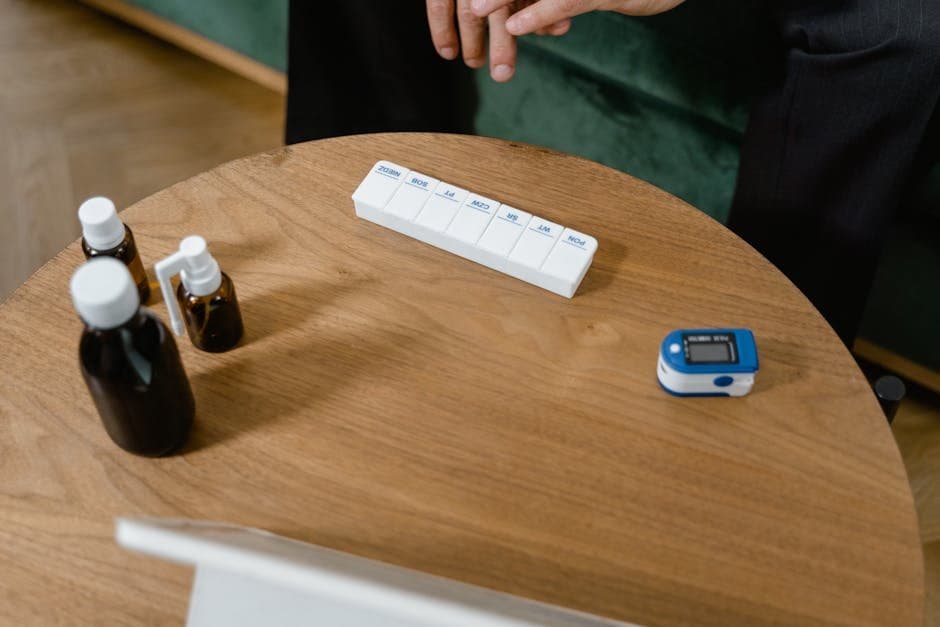
Monitoring should stay practical. Daily logs work best when they capture five things, dose taken, craving level, sleep hours, triggers, and any use. A home blood pressure cuff, pulse oximeter in some higher-risk situations, lockbox for medication, and naloxone access can add safety, but none of these replaces clinician oversight. If alcohol or sedative withdrawal is possible, home treatment may be unsafe without direct medical guidance because seizures and delirium can develop quickly.
Expert tips for adherence
Experts often use “friction reduction” to improve adherence. That means keeping medication in one consistent place, linking the dose to a daily habit like brushing teeth, setting two alarms instead of one, and arranging pharmacy refills before supplies run low. If shame leads to skipped doses, the solution is not punishment, it is a simpler routine and faster reporting to the prescriber. See .
A useful statistic comes from the CDC, which reports that naloxone can reverse an opioid overdose if given in time. That is why many clinicians advise every home treating opioid use disorder to keep naloxone on hand, train family members to use it, and call 911 after administration. You can review broader overdose guidance through CDC Stop Overdose resources.
Practical example
For example, a patient taking buprenorphine keeps missing the evening check-in and reporting stronger cravings after work. The clinician moves the dose timing, the family stores medication in a lockbox, and the patient logs cravings at 4 p.m. for one week. That small change shows that payday and the commute home are the real triggers, so the plan adds a meeting, a different route, and a standing call with a support person before cravings peak.
How should work, privacy, and family roles be managed during addiction treatment at home?
Home treatment often fails because logistics break down before motivation does. Work schedules, childcare, money stress, and privacy conflicts can quietly increase relapse risk unless the household sets firm boundaries and realistic expectations. The most effective plans treat recovery time like a medical appointment, protect confidentiality, and assign family roles that support accountability without turning loved ones into full-time monitors. That balance helps the person stay engaged while reducing resentment across the household.
Start by mapping the week hour by hour. Identify high-risk windows, shift changes, commute times, custody exchanges, and any periods when the person will be alone with easy access to substances. Then decide who handles transportation, medication storage, child supervision, meal planning, and telehealth privacy. A vague plan creates friction, while a detailed plan reduces impulsive decisions when stress rises or cravings hit unexpectedly.
Work issues need direct attention too. Some people benefit from a short leave, while others do better staying employed with schedule adjustments and private treatment appointments. The Bureau of Labor Statistics
| Option | Best For | Cost |
|---|---|---|
| Telehealth outpatient therapy | People with mild to moderate substance use issues who need flexibility for work or family | $75 to $250 per session, often lower with insurance |
| Medication-assisted treatment via telemedicine | Opioid or alcohol use disorder when a licensed clinician recommends medication support | $100 to $300 for visits, plus pharmacy costs and possible insurance coverage |
| Virtual intensive outpatient program | People who need structured care several days per week but can stay safely at home | $250 to $500 per day, sometimes covered in part by insurance |
| Peer support groups online | People who want free or low-cost community support alongside formal treatment | Free to $20 donation-based |
| At-home medical detox with close supervision | Selected patients with stable housing, low complication risk, and daily clinical oversight | $1,000 to $5,000+ for a short detox period |
Frequently Asked Questions
Can addiction treatment really work at home?
Yes, home-based treatment can work for some people, especially when symptoms are mild to moderate and a licensed clinician monitors progress. Success improves when you combine therapy, family support, medication if needed, and a clear relapse plan. People with severe withdrawal risk, unsafe housing, or repeated overdose history usually need a higher level of care.
Is it safe to detox from alcohol or opioids at home?
Sometimes, but only after a medical assessment. Alcohol and opioid withdrawal can turn serious quickly, and alcohol withdrawal can become life-threatening. The safest first step is to contact a clinician who can screen your symptoms and risk factors, then recommend home management or urgent in-person care. You can review federal health information at the National Institutes of Health.
What is the best at-home treatment for addiction?
The best option depends on the substance, your withdrawal risk, and your support system. Many people do well with telehealth counseling, medication-assisted treatment, virtual intensive outpatient care, and weekly recovery meetings. A personalized plan works better than copying someone else’s program because triggers, mental health needs, and medical history vary from person to person.
How much does addiction treatment at home cost in the US?
Costs range widely. Online peer groups may be free, while telehealth therapy often costs $75 to $250 per visit, and structured virtual programs can cost much more. Insurance may reduce expenses, but coverage depends on your plan, deductible, and provider network. Ask for a written estimate before starting and confirm pharmacy costs if medication is part of treatment.
When should I choose inpatient rehab instead of home treatment?
Choose inpatient or emergency care if you have severe withdrawal symptoms, suicidal thoughts, unstable medical conditions, pregnancy with heavy substance use, recent overdose, or no safe place to recover. You also need more support if you cannot stop using in your home environment. For workplace planning during treatment, see Bureau of Labor Statistics data as part of your broader return-to-work decisions.
This article was reviewed by a health writer with experience covering substance use treatment, behavioral health research, and outpatient recovery planning.
Final Thoughts
Addiction treatment at home can be a safe option when three things are in place: a professional assessment, a realistic daily support plan, and fast access to higher care if symptoms escalate. Focus first on medical safety, then build structure with therapy or virtual treatment, and make your home environment support recovery instead of sabotage it.
Your next step is simple, call a licensed addiction clinician or treatment center today, ask for a same-week assessment, and write down your detox risk, treatment options, insurance details, and emergency contacts before you start.
📚 You May Also Like
Sep 3, 2025