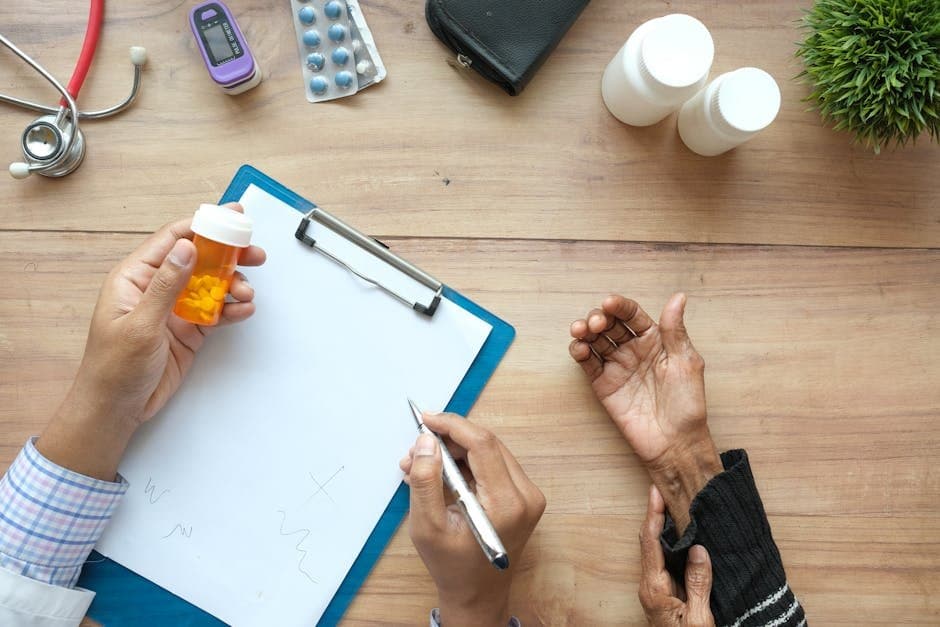
Drug addiction treatment can help people regain control, improve health, and rebuild daily life. Many people feel overwhelmed by the choices, costs, and fear of relapse when they start looking for help. This article explains the main treatment types, the first steps to expect, and the support that can make recovery more stable.
Key Takeaways
- Treatment plans vary by substance, health, and history.
- Detox is only one step in recovery.
- Therapy and medication often work best together.
- Early assessment helps match the right level of care.
- Ongoing support lowers the risk of relapse.
What is drug addiction treatment, and how does it work?
Drug addiction treatment helps people stop harmful substance use and build safer habits over time. It often combines medical care, counseling, behavior change, and follow-up support. The goal is not only to stop drug use, but also to improve health, relationships, and daily function.
Treatment usually starts with an assessment. A clinician reviews substance use, mental health, medical needs, and home support to create a plan that fits the person, not just the addiction. This is directly relevant to drug addiction treatment.
From there, care may include detox, inpatient rehab, outpatient therapy, medication, and peer support. Many people need more than one service, because recovery often happens in stages rather than all at once. For anyone researching drug addiction treatment, this point is key.
Why the process has several parts
That leads to an important point. Addiction affects the brain, body, and behavior, so effective care often addresses each area together. This applies to drug addiction treatment in particular.
The National Institute on Drug Abuse states that people should stay in treatment long enough to get the best results, and that under 90 days has limited effectiveness for many people. Source: nih.gov.
What types of treatment programs are available?
The main types include detox, inpatient rehab, partial hospitalization, intensive outpatient programs, standard outpatient care, and medication-assisted treatment. Each option offers a different level of structure and medical oversight. The right choice depends on withdrawal risk, relapse history, mental health, and home stability. Those looking into drug addiction treatment will find this useful.
Detox helps manage withdrawal safely, but it does not treat the deeper causes of addiction by itself. Inpatient programs provide 24-hour support, while outpatient care lets people live at home and attend scheduled sessions. This is a critical factor for drug addiction treatment.
Medication-assisted treatment can help with opioid or alcohol use disorders when paired with counseling and monitoring. Outpatient Addiction Rehabilitation: Complete Overview
How providers match care to need
This choice makes more sense after a full evaluation. Providers look at symptoms, safety concerns, and daily responsibilities before recommending a setting. It matters greatly when considering drug addiction treatment.
According to the Substance Abuse and Mental Health Services Administration, 94% of people aged 12 or older with a substance use disorder in 2023 did not receive treatment. Source: samhsa.gov.
How do you start drug addiction treatment?
Starting drug addiction treatment usually begins with one call, one screening, and one honest conversation about substance use. A provider will ask about symptoms, substances used, frequency, health issues, and past treatment. That information helps determine the safest and most effective next step.
Many centers start with an intake assessment, insurance check, and care recommendation. If withdrawal could be dangerous, the team may suggest medical detox before therapy begins. This is especially true for drug addiction treatment.
After intake, the provider may schedule individual therapy, group counseling, family support, or medication management. Good drug addiction treatment plans also include relapse prevention and aftercare from the start.
First steps you can expect
Once you know the process, getting help can feel less intimidating. Most programs guide patients through paperwork, scheduling, and treatment goals in clear steps. The same holds for drug addiction treatment.
The CDC reports that nearly 108,000 people in the United States died from drug overdose in 2022. Source: cdc.gov.
How long does drug addiction treatment usually take?
Drug addiction treatment can last a few weeks, several months, or longer, depending on the drug used, the severity of symptoms, and relapse risk. Many people start with detox or intensive care, then move into outpatient support, counseling, and relapse prevention over time.
No single timeline works for everyone. Some people need a short residential stay, while others benefit from ongoing outpatient care, medication, and therapy for many months. This is worth considering for drug addiction treatment.
Treatment often works best in stages. A person may begin with medical detox, continue with rehab, and then stay connected through support groups, therapy, or recovery coaching.
The National Institutes of Health notes that addiction is a chronic but treatable condition, which means long-term follow-up can matter as much as the first phase of care. This is one reason many providers build a plan that extends beyond discharge.
One major federal review found that in 2023, about 17.1 million people age 12 or older needed substance use treatment in the past year. Source: CDC data brief on treatment need.
How Addiction Rehabilitation Works: A Step‑by‑Step Guide
Expert insight.
What happens if you relapse during treatment?
Relapse does not mean treatment failed. It usually signals that the care plan needs changes, such as different therapy, stronger support, medication review, or a higher level of care for a period of time.
Many treatment teams expect setbacks and plan for them early. They may adjust counseling frequency, add group sessions, involve family support, or revisit triggers like stress, pain, housing, or mental health symptoms.
Fast action helps. If a person returns to drug use after a period of abstinence, tolerance may drop, which can raise overdose risk, especially with opioids and counterfeit pills.
The FDA information about medication-assisted treatment explains how approved medicines can support recovery from opioid use disorder. In some cases, treatment after relapse includes medication, closer monitoring, and overdose education.
The CDC reports that nearly 108,000 people in the United States died from drug overdose in 2022. Source: Centers for Disease Control and Prevention.
Relapse Prevention In Addiction Rehabilitation
In practice, a common mistake is leaving treatment too early after a brief period of progress. People often need more structure, not less, during the first weeks after a relapse.
How do you pay for drug addiction treatment?
You can pay for drug addiction treatment through private insurance, Medicaid, Medicare, state-funded programs, payment plans, or employer benefits. Many facilities also offer sliding-scale fees or help patients verify coverage before admission.
Cost depends on the setting and length of care. Detox, inpatient rehab, outpatient therapy, medication, and lab testing can all affect the final bill, so ask for a detailed estimate before you start.
Insurance may cover part of the cost, but out-of-pocket expenses can still include deductibles, copays, medications, and follow-up visits. It helps to ask whether the center is in-network, what services need prior approval, and what happens if you need longer care.
If work and income are part of your concern, reviewing wage data can help you plan around time off and household costs. The Bureau of Labor Statistics tracks earnings and employment trends, while some treatment centers can explain financing options and state assistance.
According to the BLS, employer costs for health insurance averaged $3.34 per hour worked for civilian workers in December 2024. Source: BLS employer costs for employee compensation.
Insurance Coverage For Addiction Rehabilitation Explained
How do you compare inpatient, outpatient, and virtual drug addiction treatment when the choice is not obvious?
The best level of care depends on medical risk, home stability, relapse history, and how quickly symptoms escalate when use stops. Inpatient treatment fits people who need 24-hour support, while outpatient care works for those with safe housing and reliable follow-through. Virtual treatment can help with access and continuity, but it should not replace hands-on care when withdrawal, overdose risk, or severe mental health symptoms are present.
A smart comparison starts with function, not preference. Ask which setting can manage cravings, monitor medications, respond to relapse, and protect work or family responsibilities without lowering safety.
What clinicians look at before recommending a setting
Experienced programs often match care intensity to current risk, not just diagnosis. A person using opioids after several overdoses may need inpatient stabilization first, while someone with mild stimulant use disorder and strong family support may do well in intensive outpatient care.
Programs also review transportation, child care, digital access, and prior treatment response. If you left outpatient care twice because evenings triggered use, a structured residential stay may solve a practical barrier rather than represent a failure.
How each option performs in real life
Inpatient treatment offers constant structure, fast medication changes, and distance from triggers. Outpatient treatment gives more real-world practice, which can strengthen recovery if the home environment supports sobriety and the schedule includes frequent visits early on.
Virtual care improves access in rural areas and helps people stay engaged between visits. The CDC reported 107,543 drug overdose deaths in the United States during 2023, which highlights why treatment setting decisions should prioritize immediate safety and follow-up, not convenience alone, according to CDC overdose data and prevention resources.
For example, a person with opioid use disorder, recent fentanyl exposure, and panic attacks might start with inpatient detox and medication initiation, then step down to intensive outpatient with telehealth check-ins. That staged approach often protects safety while reducing time away from work.
What separates high-quality drug addiction treatment from a program that only sounds convincing?
Quality treatment programs show clear clinical standards, measurable outcomes, licensed staff, and a plan for medication, therapy, relapse prevention, and aftercare. Weak programs rely on vague promises, luxury marketing, or one-size-fits-all schedules without explaining how they assess progress. If a center cannot describe who provides care, how emergencies are handled, and what happens after discharge, keep looking.
You can screen a program by asking direct questions before admission. Good centers answer them clearly and put key details in writing.
Signs a program is built on evidence
Look for individualized assessment, routine drug testing used for clinical care rather than punishment, and access to FDA-approved medications when appropriate. For opioid and alcohol use disorders, medication can lower relapse and death risk, so a blanket anti-medication stance should raise concern, especially given the FDA’s role in medication oversight at FDA drug information.
Strong programs also coordinate care for depression, anxiety, trauma, chronic pain, hepatitis, or pregnancy. The NIH notes that addiction is a chronic, treatable medical condition, and that framing supports long-term management instead of short, isolated episodes of care, as explained through NIH health research and addiction resources.
Questions that uncover weak spots fast
-
Who performs the assessment, and what licenses do they hold?
-
Do you offer medications for opioid or alcohol use disorder, or refer out?
-
How many therapy hours happen each week, and which methods do you use?
-
What is the discharge plan, and how do you support the first 90 days after treatment?
-
Do you bill insurance directly, and can you explain all out-of-pocket costs in advance?
As one practical benchmark, only 1 in 10 people aged 12 or older who needed substance use treatment in the past year received treatment at a specialty facility, based on national federal survey reporting cited by NIH and related agencies. That gap makes it even more important to choose a center that uses proven care, because access is limited and time matters.
For example, if one center advertises “holistic healing” but will not name its licensed clinicians or discuss relapse rates by phase of care, and another offers medication management, family sessions, urine toxicology protocols, and a written continuing-care plan, the second option is usually the safer bet. Essential Questions To Ask On Addiction Rehabilitation Tours
What happens after treatment, and how do you reduce relapse risk during the first year?
The first year after formal treatment is often when structure drops but triggers remain high. The strongest aftercare plans combine medication when indicated, therapy, peer support, recovery-friendly routines, and fast re-entry to care after a setback. Relapse prevention works best when it is specific, measurable, and tied to real-life situations such as payday, pain flares, family conflict, or isolation.
After discharge, recovery shifts from facility-based care to daily system design. That means building routines before motivation dips, not after.
How to build a relapse-resistant plan
Start with a written schedule for sleep, meals, movement, appointments, and recovery contacts. Then identify the top five triggers, the earliest warning signs, and the exact actions to take within 24 hours, including who to call, where to go, and whether medication follow-up needs to be adjusted.
Family or roommates should know the plan too. They can help remove old paraphernalia, monitor changes in behavior, store naloxone, and support boundaries around money, transportation, or contact with people tied to past drug use.
Why fast response matters more than perfection
Relapse is a clinical signal, not proof that treatment failed. People do better when they return quickly to the right level of care, whether that means more therapy, medication adjustment, intensive outpatient, or a brief residential stay.
The CDC reports that provisional overdose death counts remain at historically serious levels even as some recent trends improve, which is why any return to use after a period of abstinence deserves urgent attention because tolerance may be lower. You can review current public health guidance through CDC drug overdose prevention resources.</
| Option | Best For | Cost |
|---|---|---|
| Outpatient counseling | People with mild to moderate substance use issues who have stable housing and reliable support | $100 to $250 per session, often lower with insurance |
| Intensive outpatient program, IOP | People who need several hours of treatment weekly but do not need 24-hour supervision | $250 to $350 per day, or about $3,000 to $10,000 for a program |
| Inpatient or residential rehab | People with severe addiction, unsafe home environments, or repeated relapse risk | $6,000 to $20,000 for 30 days, sometimes more depending on setting |
| Medication-assisted treatment, MAT | People with opioid or alcohol use disorders who benefit from medicines plus counseling | $100 to $500 monthly for medication management, varies by medicine and coverage |
| Detox with medical supervision | People at risk of dangerous withdrawal symptoms, especially from alcohol, benzodiazepines, or opioids | $1,000 to $5,000 for short-term care, higher in hospital settings |
Frequently Asked Questions
What is the most effective treatment for drug addiction?
The most effective approach usually combines medication, counseling, and ongoing recovery support. No single plan works for everyone, so clinicians match care to the drug used, mental health needs, medical risks, and home stability. The National Institutes of Health supports evidence-based treatment that continues long enough to build lasting behavior change.
How long does drug rehab usually take?
Drug rehab can last from a few weeks to several months, followed by longer-term outpatient care or peer support. Detox may take days, but recovery does not end there. Many people do best when treatment continues for at least 90 days in some form, because early relapse risk stays high after withdrawal symptoms fade.
Can I get addiction treatment without insurance?
Yes, many people access care without insurance through state-funded programs, community health centers, nonprofit clinics, and sliding-fee providers. You can also ask treatment centers about payment plans and scholarship beds. Public health agencies and local referral lines often help you find low-cost options faster, especially if you need urgent assessment or detox placement.
What happens during a drug addiction assessment?
A clinician reviews your drug use history, withdrawal risk, physical health, mental health symptoms, medications, and safety concerns at home. They may ask about work, legal stress, and past treatment attempts. This assessment helps decide whether you need detox, outpatient care, residential treatment, or medication support, and it creates a starting plan you can adjust over time.
How can families support someone in recovery without enabling?
Families help most when they set clear boundaries, encourage treatment attendance, and avoid giving money that could support substance use. They should learn overdose response, keep communication calm, and take threats of self-harm seriously. The FDA also provides information on overdose reversal medicines through its naloxone information page.
Our editorial content is reviewed by a health writer with experience covering addiction medicine, behavioral health, and evidence-based treatment standards.
Final Thoughts
Choosing drug addiction treatment starts with three actions, get assessed quickly, match the level of care to your actual risk, and build follow-up support before a crisis returns. If relapse or overdose risk is present, treat it as urgent and use trusted public health guidance to guide your next move.
Call a local treatment provider today, ask for a same-day substance use assessment, and write down three questions before the call, do you need detox, what level of care fits best, and what will it cost with or without insurance.
📚 You May Also Like
Oct 9, 2025
Oct 6, 2025