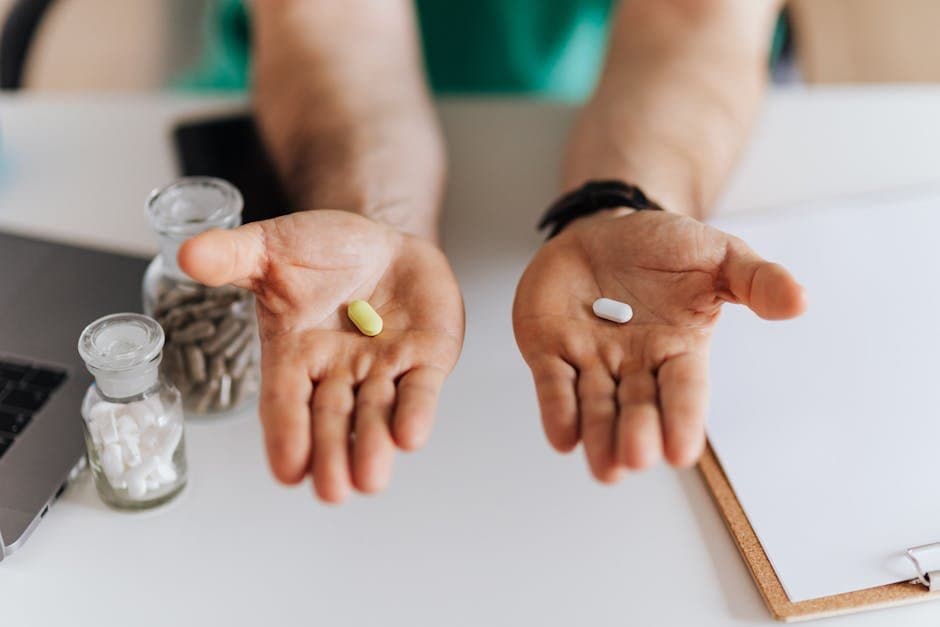
Opioid addiction treatment can help people regain stability, protect their health, and rebuild daily life. Many people feel overwhelmed by withdrawal, cravings, cost concerns, and the fear of choosing the wrong kind of care. This guide explains the main treatment options, how recovery works, and what to look for when seeking support.
Key Takeaways
- Treatment often combines medication, counseling, and follow-up support.
- Medication can reduce cravings and lower overdose risk.
- No single program fits every person or every stage.
- Early support improves retention and recovery outcomes.
- Professional care can make relapse prevention more practical.
What is opioid addiction treatment, and how does it work?
Opioid addiction treatment helps people stop harmful opioid use through medical care, counseling, and long-term support. Most effective plans treat both physical dependence and the habits, stress, and mental health issues that can keep addiction going. Treatment may happen in outpatient, inpatient, or residential settings.
Doctors often begin with a full assessment, including substance use history, mental health symptoms, overdose risk, and current medical needs. That information helps shape a care plan with medication, therapy, case management, and relapse prevention strategies.
Treatment does not end after detox. Many people need ongoing care for months or longer because recovery involves building routines, repairing relationships, and learning how to manage triggers in real life.
Why a whole-person plan matters
Medication can reduce cravings, but support services often improve stability. Counseling, peer groups, and practical help with housing, work, or transportation can make it easier to stay engaged in care.
The CDC reports that medications for opioid use disorder are linked to lower risk of overdose and better recovery outcomes when people remain in treatment. Source: cdc.gov.
Which medications are used to treat opioid use disorder?
Three FDA-approved medications are commonly used for opioid use disorder: methadone, buprenorphine, and naltrexone. These medicines work in different ways, but each can support recovery when prescribed appropriately. For many people, medication is a central part of opioid addiction treatment.
Methadone and buprenorphine can reduce withdrawal symptoms and cravings, which helps people focus on recovery instead of constant physical discomfort. Naltrexone works differently because it blocks opioid effects, but a person must usually complete detox before starting it.
The right medication depends on opioid use history, overdose risk, access to care, personal preference, and medical factors. A clinician should review benefits, side effects, and treatment goals before starting or changing medication.
Common medication options
- Methadone, usually provided through certified treatment programs
- Buprenorphine, often available in office-based settings
- Naltrexone, available as oral or extended-release injectable medication
The FDA states that medication for opioid use disorder can help sustain recovery and lower illicit opioid use. Source: fda.gov.
How do you choose the right opioid addiction treatment program?
The best program matches a person’s medical needs, substance use pattern, living situation, and support system. Some people do well in outpatient care, while others need residential treatment or closer medical supervision. A strong opioid addiction treatment plan should feel structured, practical, and realistic.
Start by asking whether the program offers licensed clinicians, medication options, mental health support, and a plan for aftercare. You should also ask how the center handles relapse, family involvement, and follow-up after the first phase of treatment.
Cost and access matter too. Insurance coverage, appointment availability, transportation, and work or childcare demands can all affect whether someone stays in treatment long enough to benefit.
What to ask before enrolling
Look for clear answers, not vague promises. You can also review Outpatient Addiction Rehabilitation: Complete Overview to compare levels of care before making a decision.
The National Institute on Drug Abuse notes that staying in treatment for an adequate period improves outcomes for many people with substance use disorders. Source: nih.gov.
How long does opioid addiction treatment usually take?
Opioid addiction treatment often lasts months, not days. Many people need a mix of medication, counseling, and follow-up care over time, because recovery tends to work best as an ongoing process rather than a short stay.
The right timeline depends on your opioid use history, overdose risk, mental health, housing, and support system. Some people begin with detox or stabilization, then move into outpatient care for several months while taking medications like buprenorphine or methadone.
Treatment length also changes as progress changes. A doctor may recommend staying on medication longer if cravings return, relapse risk rises, or stress at work and home starts to threaten recovery. How Addiction Rehabilitation Works: A Step‑by‑Step Guide
Statistic: According to the National Institute on Drug Abuse, people who stay in treatment for less than 90 days often have limited effectiveness, while longer participation is linked with better outcomes. Source: National Institutes of Health.
Expert insight.
What medications are used in opioid addiction treatment?
The most common medications are methadone, buprenorphine, and naltrexone. These medications can reduce cravings, ease withdrawal, and lower the risk of relapse when a qualified clinician matches the option to the person’s needs.
Methadone and buprenorphine are opioid agonist medications, but they work in controlled ways that support stability and function. Naltrexone works differently, it blocks opioid effects and may fit people who have already completed withdrawal and want a non-opioid option.
Medication usually works best with behavioral support, medical monitoring, and a plan for setbacks. The FDA information about medication-assisted treatment explains how these medications support recovery and safety. Medications Used In Addiction Rehabilitation
Statistic: The CDC reports that medications for opioid use disorder are associated with a lower risk of overdose and better retention in treatment compared with non-medication approaches alone. Source: CDC opioid treatment guidance.
In practice, a common mistake is stopping medication too early because someone feels better after a few weeks. That can raise relapse risk fast, especially when stress, pain, or old triggers return.
Can you work or go to school during opioid addiction treatment?
Yes, many people keep working or attending school during opioid addiction treatment. Outpatient programs, telehealth visits, and medication appointments often make it possible to get help without stepping away from daily responsibilities.
Your schedule matters when choosing care. Intensive outpatient treatment may require several sessions each week, while office-based medication treatment can sometimes fit around classes, shifts, childcare, and commute time.
You may still need time off during early withdrawal, medication changes, or mental health flare-ups. Planning ahead with a treatment provider can help you protect attendance, privacy, and recovery goals. Outpatient Addiction Rehabilitation: Complete Overview
Statistic: The U.S. Bureau of Labor Statistics reports that employed people spend a significant share of weekday hours at work, which is one reason flexible care models matter for treatment access. Source: BLS time use data.
How do medication choices differ in real-world opioid addiction treatment?
Medication decisions rarely come down to one “best” option. Clinicians usually match methadone, buprenorphine, or naltrexone to overdose risk, withdrawal tolerance, pain needs, pregnancy status, housing stability, and the chance that a patient can attend follow-up visits consistently. The right fit often changes over time, especially after relapse, hospitalization, or a major life disruption. That is why strong opioid addiction treatment plans include reassessment instead of a one-time medication decision.
Methadone can work well for people with high opioid tolerance or repeated fentanyl exposure because it may control cravings more fully than lower-intensity approaches. Buprenorphine offers a strong safety profile and can be easier to continue during work, school, and family obligations, while extended-release naltrexone may appeal to people who want a non-opioid option and can complete full detox first.
The main practical issue is not theory, it is retention. A medication only helps if the patient can start it safely and stay on it long enough to stabilize sleep, mood, cravings, and daily routines, which is why many programs combine prescribing with counseling, urine testing, pharmacy coordination, and rapid follow-up after missed visits.
Key comparison points clinicians watch
Buprenorphine can trigger precipitated withdrawal if started too soon after full-agonist opioids, especially in the fentanyl era. Some programs now use low-dose or micro-induction strategies to reduce that risk, but these protocols require careful supervision and patient education about timing, symptom tracking, and rescue plans.
Naltrexone blocks opioid effects, but patients must be fully opioid-free before starting it. That requirement can make initiation difficult after heavy opioid use, incarceration, or a recent overdose, even though once started, the monthly injection can support adherence for people who struggle with daily medication routines.
Statistic
The NIH reports that medications for opioid use disorder can cut the risk of death after addiction treatment by about 50% or more when patients remain in care, which shows why medication access and retention matter as much as initial detox. See NIH research on methadone and buprenorphine after overdose.
Practical example
A patient using fentanyl daily wants treatment but has failed abstinence-only programs twice. A clinician may choose buprenorphine with a low-dose induction, daily check-ins for the first week, naloxone education, and a backup switch to methadone if cravings stay intense or the patient cannot get through induction comfortably.
What makes relapse prevention work after the first stable weeks of treatment?
Early stabilization is only the first phase. Long-term success in opioid addiction treatment usually depends on whether the care plan addresses cue-driven cravings, untreated anxiety or depression, chronic pain, sleep disruption, social isolation, and practical barriers such as transportation, childcare, and missed appointments. Relapse prevention works best when it becomes a daily operating system, not a vague promise to “stay strong.” Structured follow-up, fast re-entry after slips, and overdose protection all matter.
Many relapses start before opioid use returns. The warning signs often show up as skipped doses, canceled therapy, conflict at home, increased alcohol or benzodiazepine use, sudden cash stress, or renewed contact with people connected to prior drug use, so clinicians and families do better when they track behavior patterns instead of waiting for a crisis.
Recovery plans should include concrete scripts and logistics. Patients benefit from written next steps for intense cravings, pharmacy problems, lost medication, pain flare-ups, and travel, along with a short emergency contact list and naloxone access for the household.
High-value relapse prevention tactics
- Use rapid follow-up after missed visits. A same-day call or telehealth slot can prevent a minor lapse from becoming full disengagement.
- Treat co-occurring conditions. Anxiety, PTSD, insomnia, and depression often drive opioid return if left unmanaged.
- Plan for high-risk dates. Paydays, court dates, anniversaries, and family conflict often need extra support.
- Keep naloxone available. Overdose risk rises sharply after reduced tolerance.
The CDC recommends naloxone for people at increased overdose risk, including those with opioid use disorder or those taking opioids with benzodiazepines. Review the CDC’s naloxone guidance and overdose prevention resources for household preparedness.
Statistic
The CDC states that nearly 75% of drug overdose deaths in 2022 involved an opioid. That number highlights why relapse prevention must include overdose education, not just counseling and willpower. See CDC overdose facts and statistics.
Practical example
A person in month two of buprenorphine treatment notices cravings every Friday after work and after arguments with a partner. Their clinician builds a Friday plan that includes an earlier dose check, a standing therapy session, a gym visit, no cash withdrawals, and a same-evening call if cravings rise above a preset level.
How should opioid addiction treatment change when pain, work, or legal pressure complicate recovery?
Complex cases need integrated care, not parallel care. When someone has chronic pain, a demanding job, probation requirements, or family court pressure, opioid addiction treatment should coordinate medical, behavioral, and administrative decisions so one problem does not destabilize the others. The best programs clarify who manages pain meds, who documents compliance, and what happens if symptoms flare or scheduling breaks down. Clear coordination reduces misunderstandings that can trigger relapse.
Chronic pain deserves direct treatment rather than suspicion alone. Patients often do better when clinicians separate pain goals from euphoria goals, use functional targets such as sleep or walking tolerance, and consider non-opioid options, physical therapy, interventional treatments, or carefully monitored medication adjustments instead of assuming that all pain complaints are drug-seeking.
Work and legal systems add pressure that can either support or undermine recovery. Flexible scheduling, written attendance verification,
| Option | Best For | Cost |
|---|---|---|
| Methadone treatment at an opioid treatment program | People who need daily structure, strong craving control, or have not done well with other approaches | $126 per week on average, about $6,552 per year |
| Buprenorphine treatment with office-based follow-up | People who want effective medication with more flexibility for work, school, and family life | About $115 per week for medication and related treatment, about $5,980 per year |
| Extended-release naltrexone injections | People who have completed detox and want a non-opioid relapse-prevention medication | Often more than $1,000 per monthly injection before insurance |
| Outpatient counseling or intensive outpatient care | People who need therapy, relapse-prevention skills, and family support alongside medication | Roughly $100 to $500 per session or program day, depending on setting and coverage |
Frequently Asked Questions
What is the most effective treatment for opioid addiction?
For most people, medication for opioid use disorder works best, especially methadone or buprenorphine combined with counseling and recovery support. These medications lower overdose risk, reduce cravings, and improve retention in care. The National Institutes of Health supports medication-based care as a leading evidence-based approach.
How long does opioid addiction treatment usually last?
Treatment length varies, but many people need months or years of support, not just a short detox. Recovery often works best when care continues long enough to stabilize housing, work, mental health, and relapse triggers. Stopping medication too early can raise the risk of relapse, so decisions should be made with a qualified clinician.
Can you treat opioid addiction without going to rehab?
Yes, many people recover through outpatient care, office-based buprenorphine treatment, therapy, peer support, and regular medical follow-up. Residential rehab can help in some situations, but it is not the only effective path. A clinician can match the level of care to withdrawal severity, overdose history, home support, and co-occurring mental health needs.
Does insurance cover opioid addiction treatment?
Many private insurance plans, Medicaid, and Medicare cover at least part of treatment, including medications and counseling, but deductibles, prior authorization, and provider networks vary. Ask the treatment program for a benefits check before you start. You can also review broader overdose prevention and treatment guidance from the CDC overdose prevention resources.
What should I do if a family member refuses help for opioid addiction?
Start with a calm, direct conversation focused on safety, not blame. Offer specific options such as a same-week medical appointment, naloxone access, and transportation to treatment. If overdose risk is high, act quickly and keep emergency numbers ready.
This article was reviewed and written using evidence-based addiction treatment standards, public health guidance, and clinical best practices relevant to opioid addiction treatment.
Final Thoughts
Opioid addiction treatment works best when you choose evidence-based medication, match care to your real-life needs, and build support around pain management, work, family, and mental health. Act on those three points early, because delays increase overdose risk and make recovery harder. Long-term follow-up usually beats short, one-time treatment efforts.
Your next step is simple, call a licensed treatment provider or primary care clinician today, ask about buprenorphine or methadone, verify insurance coverage, and schedule an intake within the next 24 to 72 hours.
📚 You May Also Like
Sep 11, 2025